If you’re a student in 2026, you’ve probably felt that exam season is not just about knowledge; it’s about how you manage your time. Classes, online lectures, self‑study, projects, and family pressure all happen at the same time, and suddenly your 40–50 days before boards or competitive exams start slipping away.
The good news is: you don’t need to study 12 hours a day to clear your exams. What you really need is smart time management for students that actually fits your real life. In this guide, we’ll look at simple, practical exam time management and study planning tips that Indian students can use in 2026 without turning their life into a torture routine.
1. Start with a Clear Exam‑Focused Timetable
The first step to time management for students is to stop thinking “I’ll study whenever free” and start thinking like a planner.
a) List your exams and dates first
- Write down all your exam dates: boards, internal tests, practicals, and any entrance exams you’re giving.
- Seeing all dates in one place reduces last‑minute panic and helps you plan in advance.
- This simple list becomes the base of your exam time management strategy.
b) Divide the time into weekly blocks
- From the exam date, count back the weeks and divide your syllabus into weekly chunks.
- Give more time to subjects or chapters you find hard, and keep one week at the end for quick revision of everything.
- A weekly plan is easier to follow than a vague “I have 40 days” feeling.
c) Add breaks and revision days
- Include 1–2 revision days per week and 1–2 full‑length practice tests before the final exam.
- Also block small breaks, meals, and sleep so your timetable feels realistic, not like a punishment.
- When your plan respects your body and mind, you’re more likely to follow it.
2. Plan Your Daily Study Like a Real Schedule
Once you have a weekly plan, the next step is to turn it into a daily routine that actually works.
a) Fix study blocks, not vague hours
- Decide your main study blocks: for example, 8–10 AM, 3–5 PM, 7–9 PM.
- Treat these like fixed “classes” for yourself so you don’t keep shifting them.
- A fixed schedule slowly trains your brain to be serious at those times.
b) Use the 25–30 minute focus method
- Study for 25–30 minutes with full attention, then take a 5–10 minute break.
- During this burst, avoid opening your phone, YouTube, or reels; this builds real focus.
- After 3–4 blocks, take a longer break; this rhythm keeps your mind fresh and less tired.
c) Plan what you’ll do in each block
- Before starting, write: “8–8:30 – Revise formulas; 8:30–9 – Solve 10 questions; 9–9:10 – Break.”
- This stops you from wasting 10–15 minutes just deciding what to study next.
- Clear micro‑planning is a quiet but powerful study planning habit.
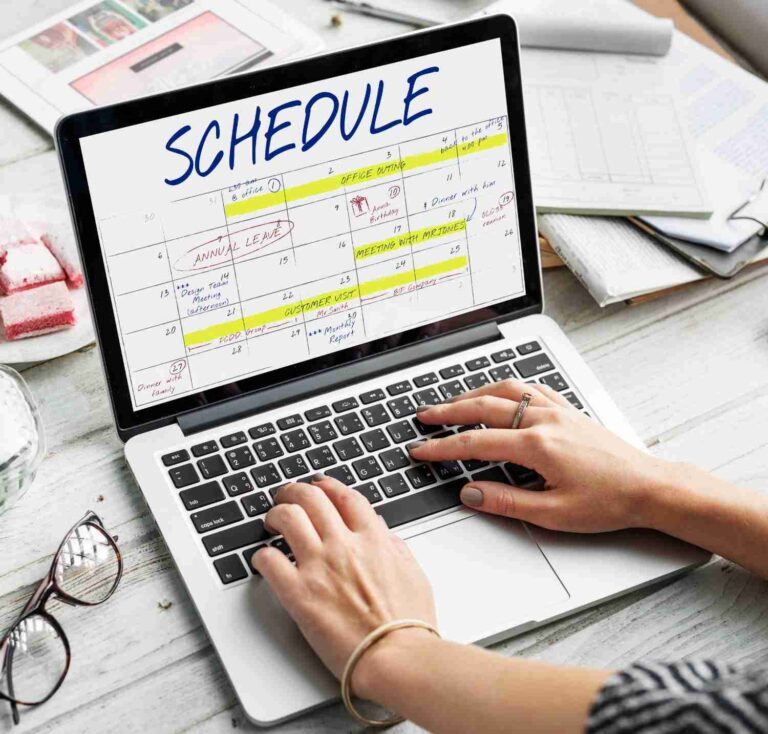
3. Use Your Calendar Like a Personal Manager
Many students ignore calendars and rely on their memory, which leads to missed deadlines and last‑minute surprises.
a) Put all exam dates and deadlines in your calendar
- Add board dates, project submissions, test dates, and important events to your phone or planner.
- Setting reminders 2–3 days before each deadline reduces last‑minute chaos.
- When your calendar is full, you can’t lie to yourself that “I’ll do it later.”
b) Block focus time for each subject
- Use your calendar to block time for Maths, Science, English, or any other subject you need to revise.
- Keep high‑focus subjects in your best energy hours (morning or late evening, depending on you).
- Seeing your subjects in time blocks makes your preparation feel more organised and less random.
c) Sync your timetable with family and school
- If your school or coaching has a fixed timetable, sync it with your personal calendar.
- Use gaps between classes for quick revision, short notes, or light practice.
- This small habit turns wasted gaps into productive mini‑sessions.
4. Prioritise High‑Weightage and Weak Topics
Time management is not about studying everything; it’s about studying what matters most.
a) Check which chapters are high‑weightage
- Look at your syllabus and past papers to see which topics usually give 3–4 mark or 5–mark questions.
- Give these topics more time in your timetable instead of spending long hours on low‑weightage chapters.
- This smart priority system is one of the best exam time management tricks.
b) Identify your weak areas honestly
- Mark 2–3 chapters or subjects where you feel confused or keep making mistakes.
- Slot extra practice and doubt‑clearing time for these areas in your plan.
- When you turn your weak points into strong points, your exam stress reduces naturally.
c) Balance easy and tough subjects
- Don’t study only tough subjects for 3–4 days; your brain will get tired and demotivated.
- Mix 1–2 easy subjects or lighter tasks with tough ones so your mind feels balanced.
- This balance keeps your energy stable and your study planning realistic.
5. Use Practice Papers and Mock Tests Wisely
Many students solve papers randomly, but toppers use them as a time‑management tool.
a) Solve PYQs under exam conditions
- Sit with a watch, no phone, and no distractions for the same time given in the real exam.
- After finishing, carefully check your answers and note where you wasted time or went wrong.
- Repeating this with 5–10 previous papers makes your exam‑day experience much smoother.
b) Take regular mock tests
- If you’re in Class 10–12, NEET, JEE, or CUET, take 1–2 mock tests per week in the last 2–3 months.
- Use mocks to check your speed, accuracy, and time‑management skills.
- Over time, your mock scores become a realistic reflection of your real exam performance.
c) Review and adjust your plan after each test
- After every mock or PYQ, write down: “I spent too much time on this section,” or “I skipped this type of question.”
- Use this feedback to change your study plan and practice more where you’re weak.
- This habit turns your time management for students into a learning loop, not just a schedule.
6. Protect Your Focus from Distractions
Even the best plan fails if your phone and reels keep you hooked.
a) Keep your phone away during main study blocks
- Put your phone in another room or on silent so WhatsApp, Instagram, and YouTube don’t keep buzzing.
- Use your phone only for notes, PDFs, or learning apps, not for fun.
- This simple rule can easily save 1–2 hours a day that you usually waste on scrolling.
b) Use a simple focus timer
- Set a 25–30 minute timer and don’t touch your phone during that time.
- When the timer beeps, you can check messages or take a short break.
- This small discipline slowly trains your brain to stay serious for short bursts.
c) Create a quiet study space
- Use a clean table away from TV, gaming consoles, and main walking paths.
- Keep your desk neat with only books, notes, water, and a pen.
- A calm space reduces mental noise and helps your focus stay strong for longer.
7. Take Care of Your Body and Mind
Time management for students is not just about the clock; it’s also about how fresh your body and mind feel.
a) Sleep 6–7 hours every night
- Avoid “all‑nighters” before exams; they reduce clarity and increase stress.
- A proper sleep schedule helps your brain store what you learned during the day.
- When you’re well‑rested, your exam time management automatically becomes easier.
b) Eat light, healthy food and drink water
- Choose simple home‑style food instead of heavy junk or oily snacks during exam season.
- Keep a water bottle near you and sip regularly so you stay hydrated and alert.
- Light food and water keep your body comfortable and your brain sharp.
c) Include 10–15 minutes of movement daily
- Take short walks, stretching, or simple exercises between study sessions.
- Movement improves blood flow to your brain and reduces stress.
- Even 10–15 minutes of movement per day can reduce exam‑day anxiety and improve focus.
8. Review and Adjust Your Plan Regularly
The best students don’t stick to a plan blindly; they keep adjusting it.
a) Do a weekly review
- Every Sunday, quickly check: “How many topics did I finish? Where did I waste time?”
- Use this review to change your plan for the next week instead of blaming yourself.
- A weekly review keeps your study planning flexible and realistic.
b) Add buffer days for catch‑up
- Keep 1–2 days or extra time blocks for catching up on chapters you missed or didn’t finish.
- Buffer time stops you from building a backlog of unfinished work.
- When you have extra time, you feel less stressed and more in control.
c) Celebrate small progress, not just results
- When you finish a chapter, solve a tough question, or complete a mock test, appreciate yourself.
- Small rewards keep your motivation alive and make your time management for students feel less like punishment.
- When your mind feels supported, it becomes easier to stay serious and focused.
Final Thoughts: Use Smart Time Management, Not Just Long Hours
Time management for students during exams is not about forcing yourself to study more hours. It’s about using your limited time in a smarter, more honest way.
- Create a clear timetable and stick to it like a real schedule.
- Use practice papers, mock tests, and PYQs as learning tools, not just checklists.
- Protect your focus from distractions and take care of your sleep, food, and movement.
If you follow even 3–4 of these exam time management and study planning tips consistently in 2026, you’ll feel less stressed, more in control, and much more prepared on exam day.
If you tell me your class and exam (boards, JEE/NEET, college, etc.), I can suggest a simple 4‑week timetable using these time management for students habits that fits your exact 2026 schedule.